Author: Hanshika

  • China’s Bold Stand: ‘Fight To The End’ Against Trump’s Tariff Threats And Accusations of Blackmail

    China’s Bold Stand: ‘Fight To The End’ Against Trump’s Tariff Threats And Accusations of Blackmail

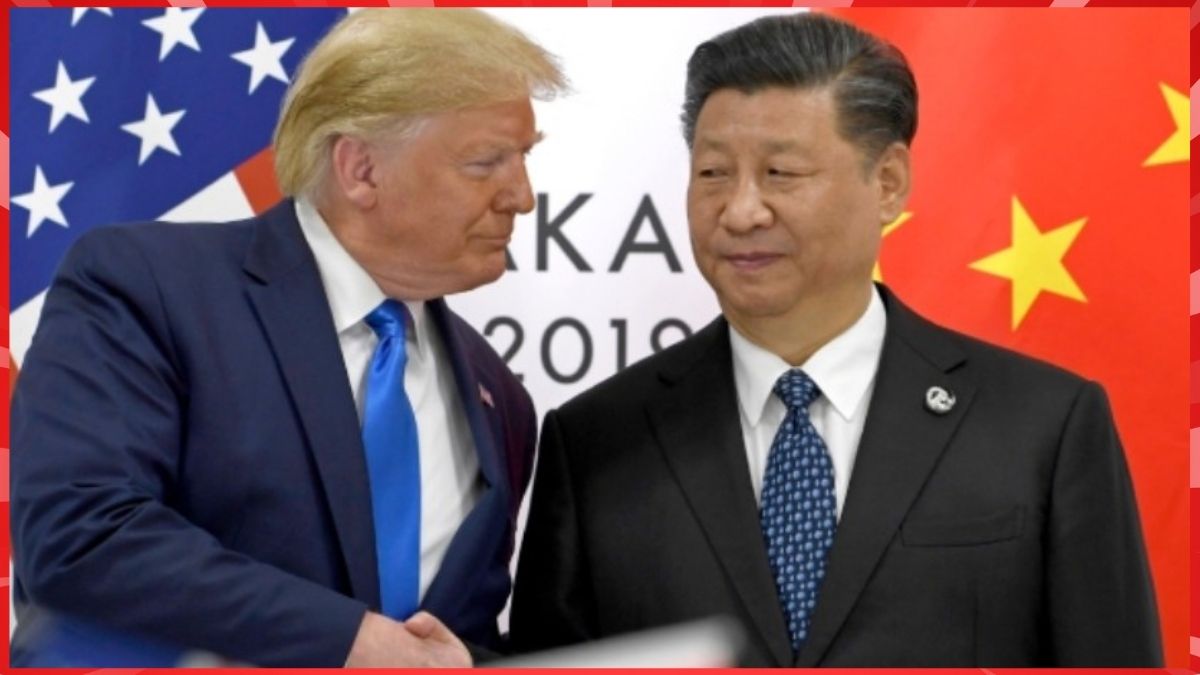
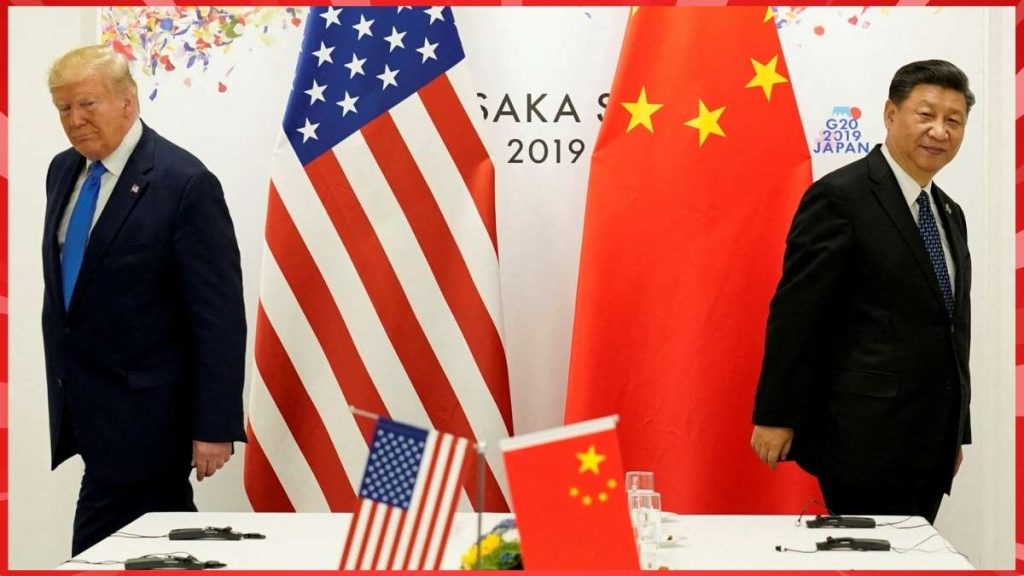
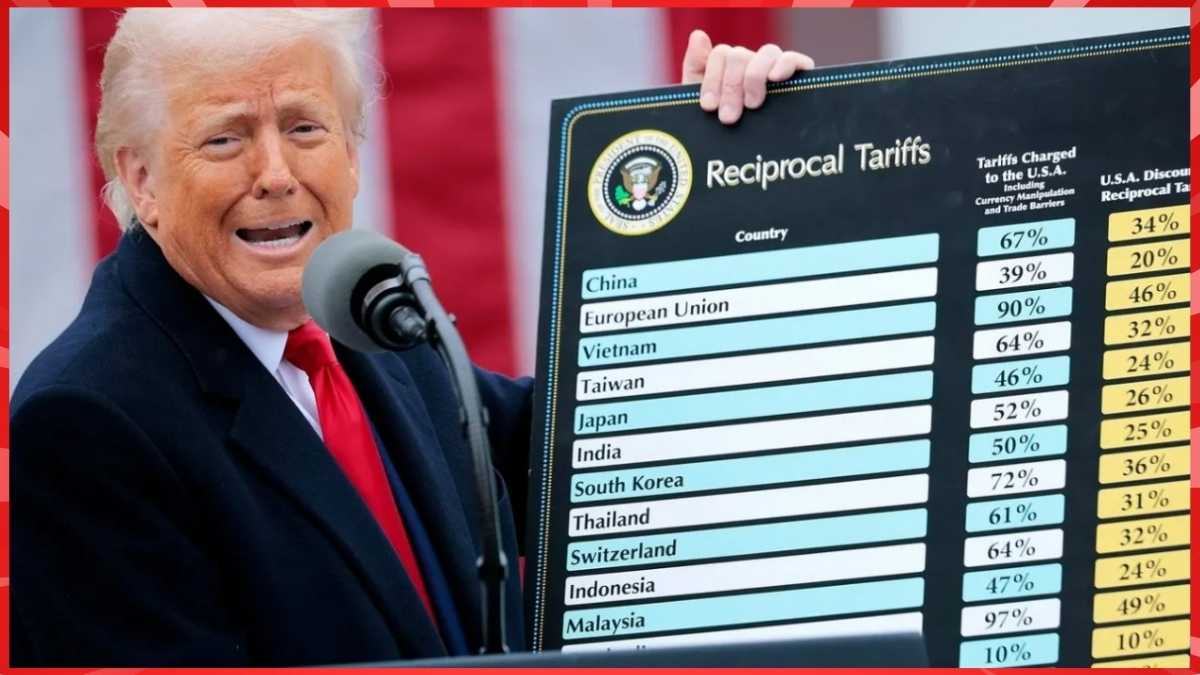
    China has issued a resolute response to President Donald Trump’s tariff threats, vowing to “fight to the end” and labeling the U.S. actions as “blackmail.” The situation escalated after Trump warned that he would impose an additional 50% tariff on Chinese goods if Beijing does not withdraw its 34% tariffs on U.S. imports by April 8, 2025. If implemented, the total tariffs on Chinese imports into the U.S. would reach 104%.

    China’s Resolute Stance

    China’s Commerce Ministry released a statement condemning the U.S. imposition of “so-called ‘reciprocal tariffs’” as “completely groundless and a typical unilateral bullying practice.” The ministry emphasized that China’s countermeasures are aimed at safeguarding its sovereignty, security, and development interests, and maintaining the normal international trade order. It added that the U.S. threat to escalate tariffs is a “mistake on top of a mistake” and once again exposes the “blackmailing nature” of the U.S.
    China's Bold Stand 'Fight To The End' Against Trump's Tariff Threats And Accusations of Blackmail

    Economic And Market Reactions

    Global stock markets have been significantly impacted by the tariff war. The Dow Jones Industrial Average plunged 2,231.07 points, or 5.5%, while the S&P 500 and Nasdaq Composite fell 5.97% and 5.82%, respectively. In China, the Hang Seng Index in Hong Kong climbed about 1.58% after its biggest single-day decline in nearly three decades, while China’s blue-chip CSI 300 Index rose 0.9%.

    Call For Negotiation

    Despite the strong rhetoric, China has also extended an olive branch, urging Washington to return to the negotiating table. “We advocate resolving disputes through dialogue and cooperation,” the ministry stated, “but we will not hesitate to defend our legitimate rights and interests.”
  • Elon Musk’s Desperate Plea To Trump: Reverse Tariffs Before It’s Too Late

    Elon Musk’s Desperate Plea To Trump: Reverse Tariffs Before It’s Too Late

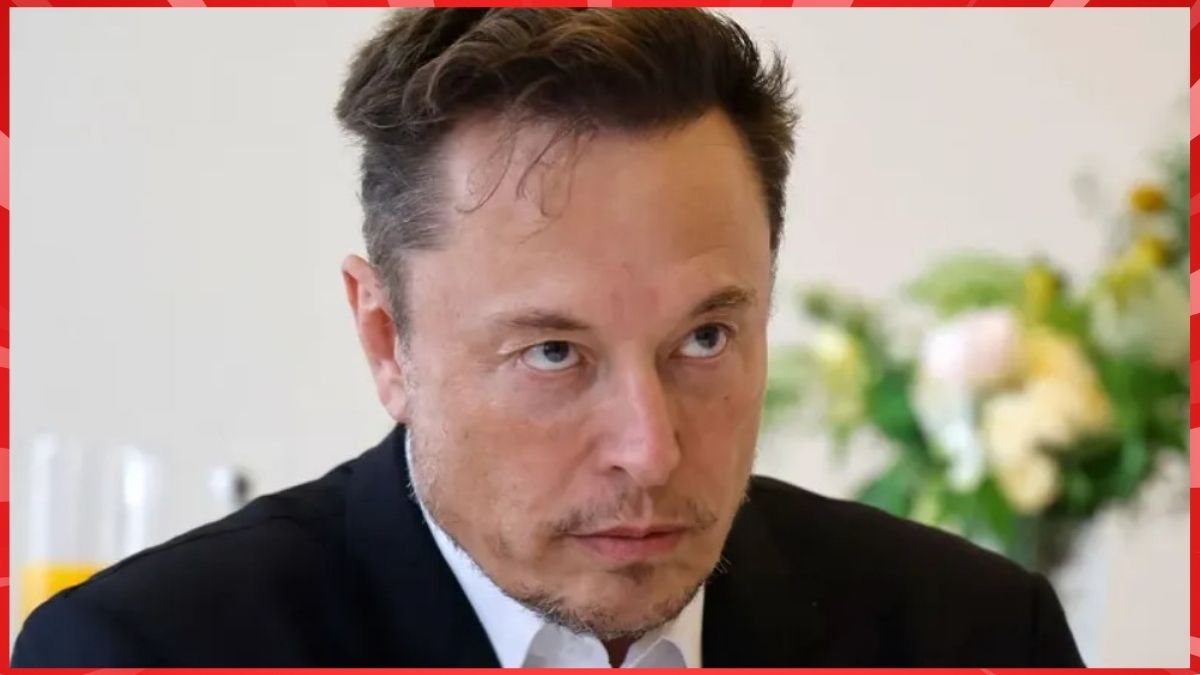
    In a surprising behind-the-scenes move, Tesla CEO Elon Musk has reportedly taken matters into his own hands by privately urging former President Donald Trump to reverse course on his aggressive stance toward electric vehicle (EV) tariffs. According to inside sources, Musk is deeply worried about the consequences of escalating trade penalties — particularly those targeting Chinese-made vehicles and components — which could spell trouble for Tesla’s carefully crafted global strategy.

    Trump’s Tariff Plans Could Disrupt The EV Market — and Tesla Isn’t Immune

    Trump has floated the idea of imposing massive 100% tariffs on EV imports from China if he returns to the Oval Office in 2025. While that tough talk may sound patriotic to some, Musk allegedly sees it as a dangerous gamble. Tesla relies heavily on Chinese manufacturing, especially its Shanghai Gigafactory — a key player in producing affordable EVs for both domestic and international markets. New tariffs could mean higher prices, manufacturing delays, and a slowed EV rollout across the U.S.

    Tesla’s China Connection: The Elephant In The EV Room

    Despite being an American brand, Tesla has deep roots in China’s automotive infrastructure. The country not only provides critical parts and battery materials but also serves as a major hub for Tesla’s production line. Musk’s reported plea to Trump is seen as an attempt to safeguard that pipeline. With EV competition intensifying and supply chains already strained, any major disruption could give rivals — especially U.S. automakers without international exposure — a serious edge.

    Musk Makes A Political Pivot — Again

    Musk’s outreach to Trump adds another layer to his evolving political identity. Once considered a centrist tech mogul, Musk has recently shown openness to more conservative viewpoints, especially after public spats with the Biden administration over EV incentives and union support. His quiet conversation with Trump could be viewed as both a protective business move and a strategic alignment in anticipation of a potential Trump 2024 victory.

    Will Trump Listen — Or Stick To His Trade War Playbook?

    So far, neither Musk nor Trump has publicly confirmed this reported exchange, but the implications are massive. If Trump sticks to his hardline trade policies, Tesla could face significant headwinds. But if Musk’s influence sways the former president, it could signal a major shift in how trade policies are crafted around the booming EV market. One thing’s for sure — this behind-closed-doors move shows just how high the stakes are in the global EV race, and Elon Musk is doing everything he can to keep Tesla in pole position.

  • Trump’s Tariff Gambit: Doubling Down Amid Market Turmoil And Global Concerns

    Trump’s Tariff Gambit: Doubling Down Amid Market Turmoil And Global Concerns

    President Donald Trump is doubling down on his tariff policies, despite significant market volatility and concerns over potential economic repercussions. The administration’s stance on tariffs has been a central point of debate, with both supporters and critics weighing in on the potential long-term impacts.

    Tariff Implementation And Market Reactions

    On April 2, President Trump announced a “baseline tariff” of 10% on all imported goods, with additional tariffs imposed on specific countries deemed “worst offenders” . This move has led to significant market volatility, with major stock indexes experiencing sharp declines. The Dow Jones Industrial Average plunged 2,231.07 points, or 5.5%, while the S&P 500 and Nasdaq Composite fell 5.97% and 5.82%, respectively .

    Trump’s Rationale And Negotiation Strategy

    Trump’s administration views these tariffs as a necessary step toward restructuring global trade. The tariffs are not just about revenue; they are also aimed at reducing America’s trade deficit, protecting domestic industries, and encouraging companies to move manufacturing back to the U.S. . Trump has emphasized that the tariffs will help “rebuild our economy and to prevent cheating” .

    International Reactions And Negotiations

    International reactions to Trump’s tariff move have been measured. While several countries have expressed disappointment and concern, most have stopped short of announcing retaliatory measures. For instance, China retaliated with a 34% tariff on U.S. imports, prompting Trump to threaten additional tariffs if China does not withdraw its increase . However, many countries, including Israel, Vietnam, and India, have approached the U.S. for negotiations on lowering tariffs .

    Economic And Political Implications

    The tariffs have raised concerns about a potential global trade war and recession. Goldman Sachs has estimated that the probability of a recession in the next 12 months has jumped to 45% . Despite these concerns, Trump remains defiant, arguing that the tariffs will ultimately strengthen the U.S. economy. He has called on Americans to “hang tough” amid the market turmoil, asserting that the long-term benefits will outweigh the short-term challenges .

  • Trump’s War On Drugs: Drone Strikes On Mexican Cartels And The Risks Ahead

    Trump’s War On Drugs: Drone Strikes On Mexican Cartels And The Risks Ahead

    The Trump administration is reportedly weighing the possibility of launching drone strikes on Mexican drug cartels in an effort to combat the trafficking of narcotics across the US-Mexico border. This potential move comes as part of a broader strategy to address the issue of drug trafficking and related violence.

    Increased Surveillance And Potential For Strikes

    The US has significantly ramped up surveillance flights over Mexico, with both the military and the CIA involved in gathering intelligence on drug cartels and their operations. These flights are being conducted with the approval of the Mexican government, as confirmed by Mexican President Claudia Sheinbaum. The information gathered from these flights could potentially be used to target cartels and their drug labs within Mexico.

    Collaboration And Concerns

    While the US and Mexico have a history of collaborating on anti-drug operations, the current plan involves an unprecedented level of US involvement, including the potential use of armed drones. This has raised concerns about sovereignty and the potential impact on US-Mexico relations. The Mexican government has emphasized the importance of information sharing and collaboration in addressing the issue.

    Broader Implications

    The consideration of drone strikes is part of a broader shift in the Trump administration’s approach to drug cartels, which includes designating them as terrorist organizations. This designation could pave the way for more aggressive military and law enforcement actions against the cartels. The potential for unilateral action by the US, without Mexico’s approval, remains a possibility and could further complicate the situation.

  • Supreme Court Greenlights Trump’s Deportation Plans Under Alien Enemies Act: A Major Victory

    Supreme Court Greenlights Trump’s Deportation Plans Under Alien Enemies Act: A Major Victory

    The Trump administration has intensified its crackdown on international students involved in pro-Palestinian protests, leading to the revocation of over 300 student visas. This move has sparked significant controversy and raised questions about the legal and ethical implications of such actions.

    Visa Revocations And Accusations

    The administration has accused the targeted students of supporting terrorism or engaging in antisemitic conduct during protests, though no concrete evidence or due process has been provided. For instance, Rümeysa Öztürk, a doctoral student at Tufts University, had her visa revoked based on allegations of supporting Hamas, despite her only known activism being a co-authored op-ed in a student newspaper. Similarly, Mahmoud Khalil, a legal U.S. resident and Palestinian activist, was arrested and had his green card revoked due to his role in campus protests.

    Use Of Facial Recognition Technology

    Private groups and individuals have been using facial recognition technology to identify and report student protesters. Eliyahu Hawila, a software engineer, developed a tool called NesherAI that identifies masked protesters from images and videos. This technology has been used to identify and report students to the administration, leading to several arrests and deportations.

    The actions taken by the Trump administration raise critical constitutional questions about the rights of noncitizens to free speech. While the First Amendment protects free speech for both citizens and noncitizens, its application in the context of immigration is less clear. The Supreme Court has upheld deportations of noncitizens for political activities in the past, but it has also protected free speech rights in other cases.

    Impact On International Students

    The crackdown has caused significant anxiety among international students, who fear that their activism could jeopardize their legal status. Universities across the country have reported visa revocations, with several students either arrested or choosing to “self-deport.” For example, Harvard University revealed that the visas of three students and two recent graduates had been revoked. Other universities, including Stanford, UC Berkeley, and UCLA, have also seen similar actions