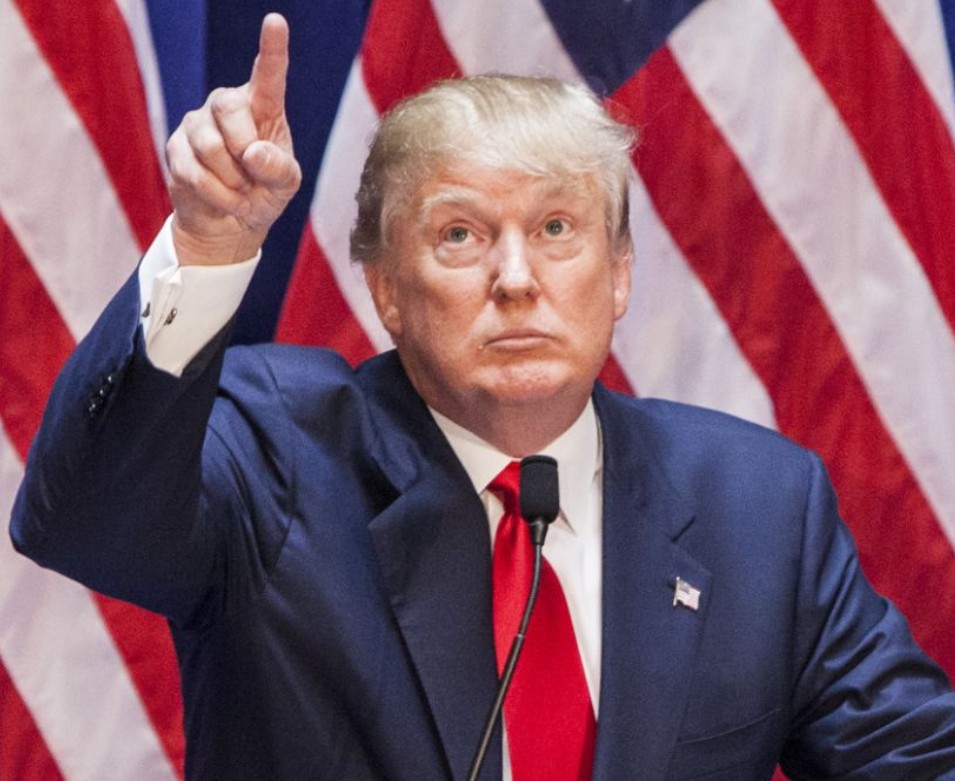
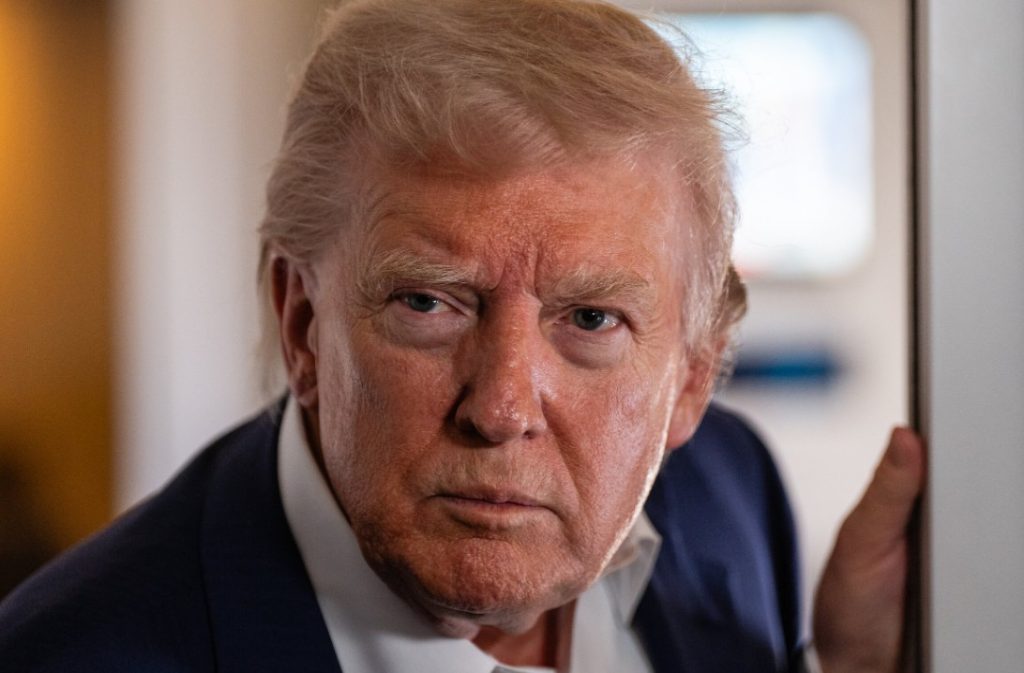
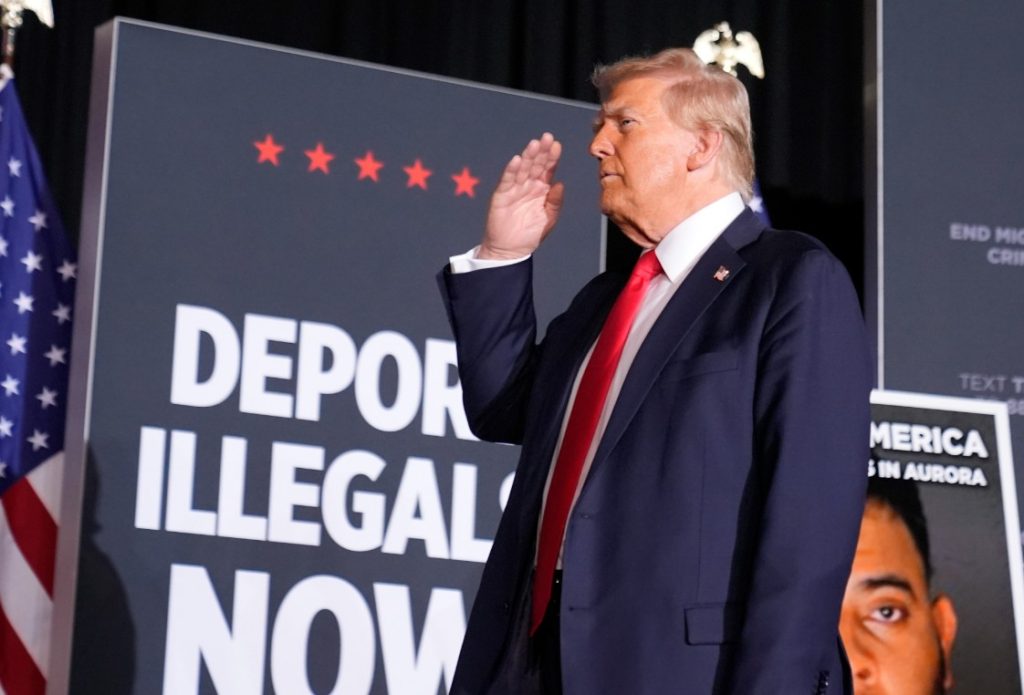
In a dramatic turn of events, President Trump has publicly called out Amazon CEO Jeff Bezos, as the White House blasts the company’s plan to display tariff surcharges on products. This move by Amazon has sparked a heated debate and drawn sharp criticism from the administration, labeling it as a “hostile” strategy.
Amazon’s decision to prominently display the additional costs resulting from tariffs on certain products has been seen by some as a transparent effort to inform consumers about the true cost of trade policies. However, the White House views this move as an attempt to undermine the administration’s stance on tariffs and shift blame for increased prices onto the government.
Trump’s direct call-out of Bezos adds a personal dimension to the conflict, highlighting the ongoing tensions between the tech giant and the administration. The White House’s strong language, describing Amazon’s plan as “hostile,” underscores the severity with which they view this development.
Economists and industry experts are weighing in on the potential implications of this showdown. Some argue that Amazon’s transparency could lead to a more informed consumer base, while others warn that it could create unnecessary panic and confusion. The situation also raises questions about the broader impact of tariffs on e-commerce and the potential for further escalation in the trade policy debate.
As the battle lines are drawn, the coming days will be crucial in determining how this conflict unfolds. The outcome could have significant ramifications for both Amazon’s business practices and the administration’s approach to trade policy. This epic showdown between the White House and one of the world’s largest tech companies is far from over, and the stakes are high for both sides.
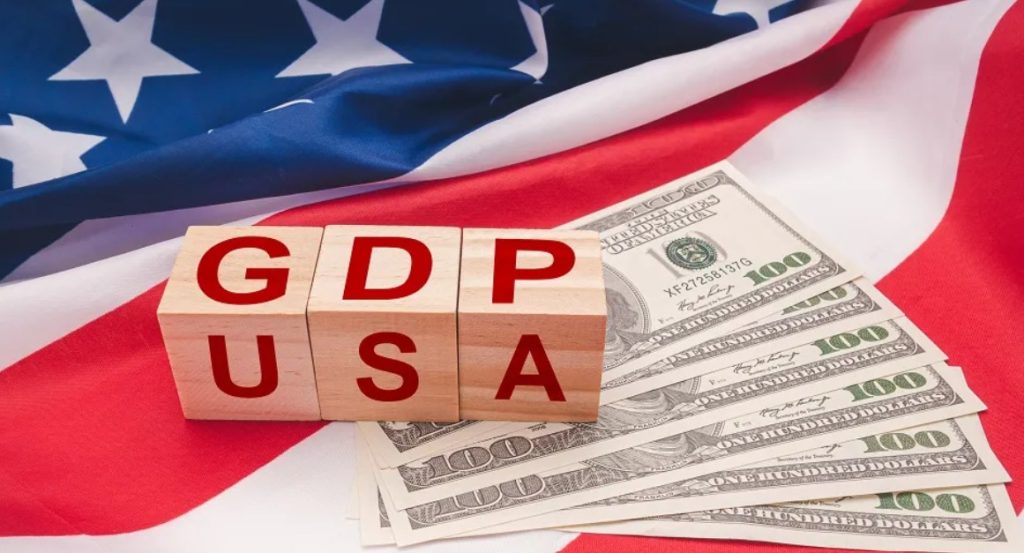
In a surprising turn of events, the U.S. economy has experienced a 0.3% decline in GDP, a development that has left many analysts and policymakers scrambling to understand the implications. This dip, though seemingly small, signals a potential shift in the economic landscape, especially as it coincides with a significant surge in imports.
The surge in imports, driven by businesses and consumers stocking up ahead of anticipated tariffs, has had a notable impact on the nation’s economic balance. This pre-emptive move to secure goods before potential price hikes has led to an influx of products, contributing to the GDP decline. The situation highlights the complex interplay between trade policies and economic performance.
Economists are closely monitoring the situation, noting that while the immediate impact is a decline in GDP, the long-term effects could be far-reaching. The surge in imports may have temporarily boosted certain sectors, but the overall economic health remains a concern. As businesses adjust to the new tariff landscape, the coming months will be crucial in determining the resilience of the U.S. economy.
The decline in GDP serves as a stark reminder of the interconnectedness of global trade and the potential for policy changes to have ripple effects across the economy. As the dust settles, the focus will be on how the U.S. can navigate these challenges and maintain economic stability in an increasingly uncertain global environment.
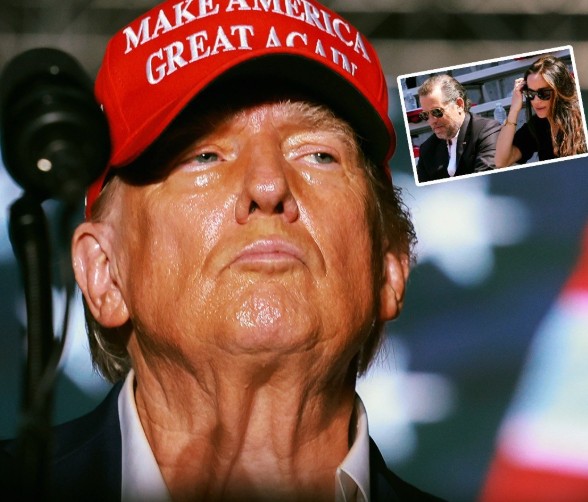
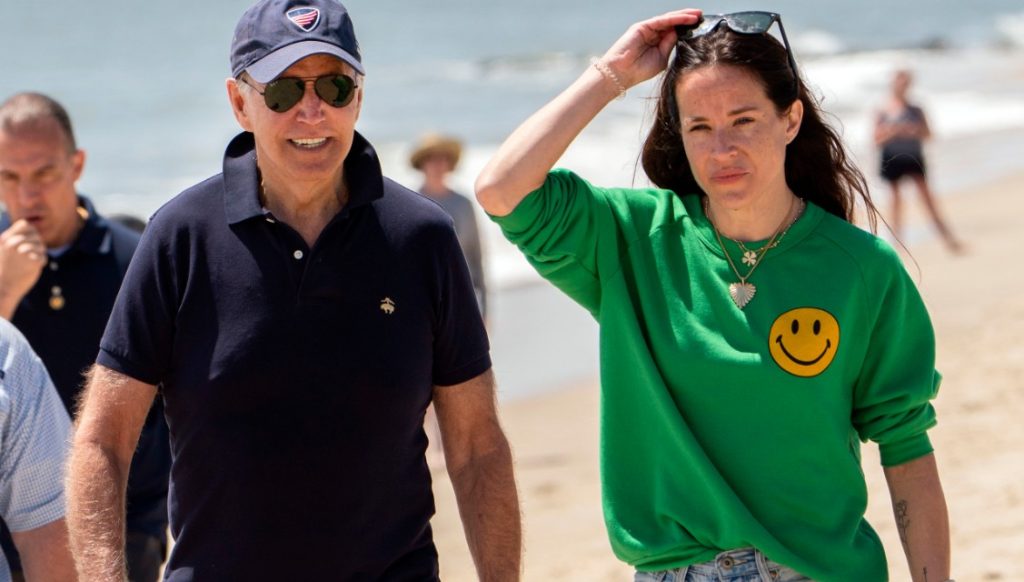
In a move that has sparked widespread debate and scrutiny, former President Donald Trump has announced the revocation of Secret Service protection for Hunter Biden and Ashley Biden. This decision has sent shockwaves through political circles and raised numerous questions about the motivations and implications behind this action.
The Decision and Its Context
Donald Trump’s administration has long been known for its controversial decisions, but this move stands out as particularly contentious. The Secret Service, a federal agency responsible for protecting high-profile individuals, had been providing security for Hunter Biden, the son of former Vice President Joe Biden, and Ashley Biden, his daughter. This protection was initially granted due to credible threats and the high-profile nature of their family.
The Official Statement
In an official statement, Trump cited “resource allocation” and the need to prioritize Secret Service protection for individuals currently holding or running for public office. He argued that the protection for Hunter and Ashley Biden was no longer necessary, given their current roles and the absence of immediate threats. However, critics have questioned the timing and true motivations behind this decision.
Critics’ Concerns
Opponents of the decision argue that it is politically motivated and potentially dangerous. They point out that Hunter Biden has been a frequent target of criticism and conspiracy theories from Trump supporters. Some suggest that the revocation of protection is an attempt to intimidate or pressure the Biden family, especially as Joe Biden considers a potential run for the presidency in 2024.
Security Implications
The decision to revoke Secret Service protection has also raised concerns about the safety of Hunter and Ashley Biden. While the Secret Service has not publicly disclosed the details of the threats they faced, it is well-known that high-profile individuals often receive such protection due to credible risks. Removing this layer of security could leave them vulnerable to potential threats, both from individuals and organized groups.
Political Repercussions
The move has been met with strong reactions from both sides of the political aisle. Democrats have condemned the decision as a politically driven attempt to silence critics and create a chilling effect on free speech. Republicans, on the other hand, have largely supported the move, arguing that it is a necessary reallocation of resources and a reflection of the current threat landscape.
Conclusion
Donald Trump’s decision to revoke Secret Service protection for Hunter and Ashley Biden is a highly contentious move that has ignited a fierce debate. While the official rationale centers on resource allocation and security priorities, critics argue that it is a politically motivated action with potentially dangerous consequences. As the nation watches closely, the implications of this decision will undoubtedly continue to unfold, highlighting the complex and often fraught nature of political decisions in the United States.
In a highly contentious and emotionally charged development, attorneys are clashing with Trump administration officials over the deportation of U.S. citizen children alongside their mothers. The controversy centers on the fate of three young children, aged 2, 4, and 7, who were deported to Honduras despite their American citizenship. The administration insists that the mothers chose to take their children with them, while attorneys argue that the mothers were denied options and due process.
The Deportations in Question
The cases involve three children who were deported alongside their mothers, who were found to be in the United States without legal status. The children, all U.S. citizens, were detained during routine immigration appointments with their mothers. One of the deported children, a 4-year-old boy, has Stage 4 cancer and was sent without access to his medications or doctors. This has raised significant ethical and legal concerns.
Attorneys’ Arguments
Attorneys representing the families argue that the mothers were not given a fair opportunity to decide whether their children should stay in the United States. They claim that Immigration and Customs Enforcement (ICE) denied requests to release the children to caregivers in the U.S., effectively forcing the mothers to take their children with them. The attorneys also state that the mothers were not allowed to communicate with legal representatives or family members, making it impossible to make arrangements for the children’s well-being.
Trump Officials’ Response
Trump officials, including border czar Tom Homan and Secretary of State Marco Rubio, have defended the deportations. Homan argued that the children were not deported but rather went with their mothers by choice. He emphasized that the decision to take the children was made by the parents, not the government. Rubio echoed this sentiment, stating that the children could return to the U.S. if someone assumes custody.
Legal and Ethical Implications
The controversy has sparked a broader debate about the treatment of mixed-status families and the rights of U.S. citizen children. Critics argue that the deportations violate due process and human rights principles. The case has also drawn attention from lawmakers, with some condemning the administration’s actions as unlawful and inhumane.
The over the deportations of U.S. citizen children highlights the complexities and emotional stakes involved in immigration policy. As the legal battle continues, the outcome could have significant implications for future immigration enforcement actions and the treatment of mixed-status families. The case underscores the need for a balanced approach that respects both the rule of law and the rights of individuals.
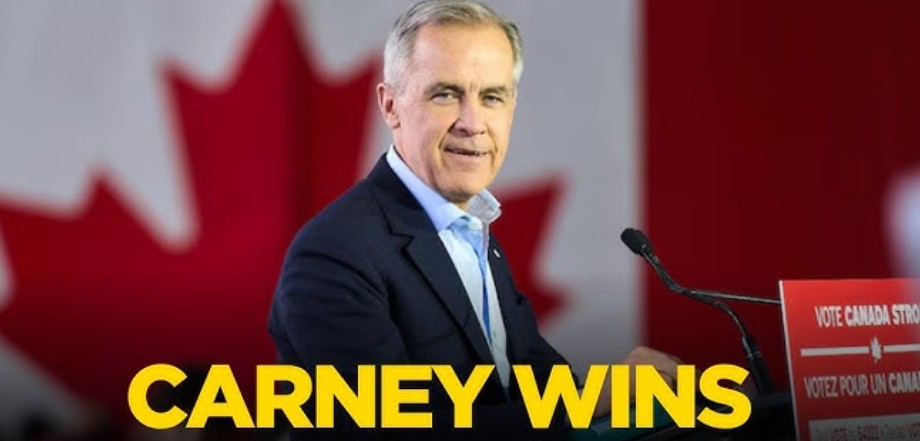
In a stunning turn of events that has sent shockwaves through the political landscape, Canada’s Liberal Party, helmed by the charismatic and visionary Mark Carney, has emerged victorious in the federal election. This landmark victory has not only shifted the balance of power but also signaled a new era of progressive leadership in the country.
A New Era Dawns
Mark Carney, the former Governor of the Bank of Canada and a respected figure in international finance, has brought a fresh perspective to Canadian politics. His leadership has been marked by a commitment to economic stability, social justice, and environmental sustainability. Under his guidance, the Liberal Party has crafted a platform that resonates deeply with Canadians from all walks of life.
The Campaign That Captivated the Nation
The Liberal Party’s campaign was nothing short of a masterclass in political strategy. Carney and his team focused on key issues such as climate change, healthcare reform, and economic recovery. They promised to invest in green technologies, expand access to healthcare, and create jobs through innovative economic policies. This message struck a chord with voters who were eager for change and a brighter future.
A Mandate for Change
The election results reflect a clear mandate for change. Voters across the country rallied behind Carney’s vision, propelling the Liberal Party to a decisive victory. The party’s success was not limited to urban centers; it also made significant inroads in rural areas, demonstrating a broad appeal that transcended regional and demographic divides.
Policy Priorities and Future Plans
With the federal election now behind them, the Liberal Party is poised to implement its ambitious agenda. Carney has outlined several key priorities, including:
Climate Action: A commitment to achieving net-zero emissions by 2050, with significant investments in renewable energy and sustainable infrastructure.
Healthcare Reform: Expanding access to healthcare services, reducing wait times, and addressing the mental health crisis.
Economic Recovery: Implementing policies to stimulate economic growth, create jobs, and support small businesses.
Social Justice: Advancing policies to promote equality, support marginalized communities, and address systemic issues such as poverty and housing.
A United Front
The Liberal Party’s victory is not just a win for the party; it is a win for all Canadians. Carney has emphasized the importance of unity and collaboration, promising to work with all stakeholders to build a better future for the country. His inclusive approach has already garnered support from various sectors, including business leaders, environmental advocates, and community organizations.
Conclusion
Mark Carney’s leadership and the Liberal Party’s vision have captured the hearts and minds of Canadians. The federal election has ushered in a new era of hope and optimism, with the promise of a brighter, more sustainable future. As the Liberal Party takes the reins, the nation watches with anticipation, ready to embark on a journey of transformation and renewal.
When Donald Trump took office, he promised a radical transformation of America. His first 100 days in office were marked by a whirlwind of activity, ambitious goals, and significant changes that left the nation and the world watching closely. Here’s a look at how Trump attempted to remake America during this critical period.
1. Executive Actions and Policy Initiatives
Trump’s first 100 days were characterized by a flurry of executive actions aimed at fulfilling his campaign promises. He signed numerous executive orders targeting a wide range of issues, from immigration and healthcare to trade and the environment. One of the most notable actions was the implementation of a travel ban on individuals from several predominantly Muslim countries, a move that sparked intense debate and legal challenges.
2. Immigration and Border Security
Immigration was a central theme of Trump’s campaign, and he wasted no time in addressing it once in office. He issued executive orders to enhance border security, build a wall along the U.S.-Mexico border, and increase deportations of undocumented immigrants. These measures were met with mixed reactions, with supporters praising the administration’s commitment to national security and critics arguing that the policies were harsh and divisive.
3. Healthcare Reform
Trump also focused on repealing and replacing the Affordable Care Act (ACA), commonly known as Obamacare. He signed an executive order aimed at dismantling key components of the ACA and urged Congress to pass legislation to replace it. However, the initial attempts to pass a new healthcare bill faced significant hurdles, leading to a prolonged and contentious debate.
4. Trade and Economic Policies
Economic issues were another major focus during Trump’s first 100 days. He withdrew the U.S. from the Trans-Pacific Partnership (TPP) and initiated a renegotiation of the North American Free Trade Agreement (NAFTA). Trump also signed executive orders aimed at reducing regulations on businesses, with the goal of boosting economic growth and job creation.
5. Regulatory Rollbacks
In an effort to stimulate economic activity, Trump signed several executive orders aimed at rolling back regulations. He targeted industries such as energy and finance, arguing that excessive regulations were stifling business growth. While these actions were celebrated by some as pro-business measures, others expressed concerns about potential environmental and financial risks.
6. Foreign Policy and Diplomacy
Trump’s foreign policy during his first 100 days was marked by a series of bold moves. He took a hardline stance on North Korea, increased military presence in the Middle East, and pursued a more assertive approach to U.S. interests around the world. These actions were intended to signal a new era of American strength and assertiveness on the global stage.
7. Infrastructure and Investment
Trump also emphasized the need for significant investment in infrastructure. He proposed a massive plan to rebuild roads, bridges, and other public works, arguing that such investments would create jobs and improve the nation’s economic competitiveness. While the specifics of the plan were still being developed, the emphasis on infrastructure signaled a commitment to addressing long-standing issues in the U.S.
8. Public Reaction and Controversy
Trump’s first 100 days were not without controversy. His actions sparked numerous protests and legal challenges, reflecting deep divisions within the country. While some praised his decisive leadership and bold vision, others criticized what they saw as an authoritarian and divisive approach.
Conclusion
In his first 100 days, Donald Trump attempted to remake America in ways that were both ambitious and controversial. His actions touched on a wide range of issues, from immigration and healthcare to trade and foreign policy. While the long-term impact of these initiatives remains to be seen, one thing is clear: Trump’s first 100 days marked the beginning of a transformative period in American history.
Imagine the shock of having a complete stranger approach you, claiming to be your half-sibling. It sounds like something out of a dramatic movie, but for me, it was my reality. Initially, I dismissed the idea as absurd, but as the story unfolded, I was left with a revelation that changed my life forever.
It all began on a seemingly ordinary day when a man I had never met before approached me. He introduced himself and dropped a bombshell: he claimed to be my half-brother. My initial reaction was disbelief. The idea was so far-fetched that I couldn’t take it seriously. I assumed he was either mistaken or playing a cruel joke.
However, the more he spoke, the more intrigued I became. He shared details about our family that only someone close could know. He mentioned our mother’s favorite dishes, childhood memories, and even specific family traditions. His knowledge was unsettlingly accurate, and it made me wonder if there was some truth to his claims.
Despite my growing curiosity, I remained skeptical. I decided to confront my mother about it. To my astonishment, she confessed. It turned out that my mother had kept a secret from me for years. She had been involved in a relationship that resulted in the birth of my half-brother. For reasons she couldn’t explain, she had chosen to keep this part of her life hidden from me.
The revelation was overwhelming. I felt a mix of emotions—betrayal, curiosity, and a strange sense of excitement. I couldn’t help but wonder why she had kept this secret for so long. Was it to protect me, or was it something she regretted?
As I processed this new information, I decided to get to know my half-brother. We started spending time together, and I quickly realized that we had a lot in common. We shared the same sense of humor, similar interests, and even some physical traits. It was as if we had always been meant to be a part of each other’s lives.
Our relationship grew stronger with each passing day. We filled in the gaps of each other’s lives, sharing stories and creating new memories. It was a surreal experience, but it also felt incredibly natural.
Looking back, I can’t help but wonder how different my life might have been if I had known about my half-brother sooner. Would we have grown up together, sharing the same childhood experiences? Or would our lives have taken entirely different paths?
This experience has taught me the importance of truth and the power of family bonds. It has also shown me that sometimes, the most unexpected revelations can lead to the most meaningful connections.
In the end, I am grateful for the stranger who walked into my life and turned it upside down. His claim, which I once dismissed as impossible, turned out to be the key to a relationship I never knew I was missing.
In a move that has captured national attention, the White House has installed lawn signs commemorating the arrest of 100 individuals labeled as “illegal aliens” during the first 100 days of President Trump’s administration. This initiative has sparked widespread debate and garnered significant media coverage, highlighting the administration’s focus on immigration enforcement.
The signs, prominently displayed on the White House lawn, serve as a visual representation of the administration’s commitment to upholding immigration laws. Each sign details the name, date of arrest, and alleged offenses of the individuals apprehended. This display has been met with mixed reactions, with some viewing it as a strong stance on border security, while others criticize it as a divisive and unnecessary gesture.
Supporters of the initiative argue that it underscores the administration’s dedication to protecting national security and ensuring that immigration laws are enforced. They contend that the display serves as a deterrent to those who might consider entering the country illegally.
Critics, however, argue that the display is insensitive and could potentially stoke fear and division. They suggest that the focus on arrests detracts from the broader conversation about immigration reform and the need for a more comprehensive approach to addressing the issue.
The White House has not yet commented on the specific rationale behind the display, but it aligns with the administration’s broader narrative on immigration. The move comes at a time when discussions about immigration policy are at the forefront of national discourse, with both sides of the political spectrum weighing in on potential solutions.
As the debate continues, the display of these signs serves as a stark reminder of the ongoing tension surrounding immigration in the United States. It remains to be seen what further actions the administration might take in this area and how they will impact the ongoing dialogue on immigration reform.
In a surprising and potentially explosive development, President Donald Trump has reportedly banned Tesla CEO Elon Musk from participating in any discussions related to China. This move marks a significant escalation in the relationship between the two powerful figures, who have previously worked closely on various initiatives.
The Ban and Its Implications
According to multiple sources close to the administration, Trump has issued a directive prohibiting Musk from engaging in any conversations or negotiations that involve China. This ban is said to be a response to recent tensions and disagreements between Musk and the administration over China’s role in global trade and technology.
The Background
Elon Musk, the CEO of Tesla, has been a prominent figure in discussions about China, particularly regarding Tesla’s operations and investments in the country. Musk has been vocal about his views on China, often advocating for increased cooperation and investment. However, these positions have sometimes clashed with the more hardline stance taken by the Trump administration.
Trump’s Stance
President Trump has been known for his tough approach towards China, focusing on issues such as trade imbalances, intellectual property rights, and national security concerns. The ban on Musk’s participation in China-related discussions appears to be a direct result of these differing viewpoints.
Musk’s Reaction
While Musk has not publicly commented on the ban, sources indicate that he is frustrated with the administration’s decision. Musk has long been an advocate for open dialogue and cooperation with China, seeing it as crucial for Tesla’s global expansion and technological advancements.
Public and Political Reactions
The news of Musk’s ban has sparked a range of reactions. Supporters of Trump’s administration argue that the move is necessary to protect U.S. interests and ensure a unified stance on China. On the other hand, critics say that excluding Musk, who has significant experience and insights into China, could be detrimental to U.S.-China relations.
Future Implications
This rift between Musk and Trump could have far-reaching consequences. For Tesla, it may mean a more challenging environment for its operations in China. For the administration, it could signal a shift towards a more isolationist approach in dealing with China. Additionally, this move could strain the relationship between the two influential figures, potentially affecting other areas of cooperation.
Conclusion
The ban on Elon Musk’s participation in China-related discussions by President Trump represents a significant and potentially damaging rift between the two. As tensions continue to escalate, both Tesla and the administration will need to navigate the complex landscape of U.S.-China relations carefully. The future of their cooperation and the broader implications for global trade and technology remain uncertain.
In a surprising turn of events, Elon Musk, the tech mogul who has been a key figure in President Donald Trump’s administration, particularly in the Department of Government Efficiency (DOGE), is set to reduce his involvement. This decision comes amid growing concerns over Tesla’s financial performance and operational challenges, which have led to increased scrutiny and pressure on Musk.
The Decision to Scale Back
Musk’s role in DOGE has been a contentious one, with many questioning the appropriateness of a tech entrepreneur holding such a significant position in government. However, recent financial reports and operational issues at Tesla have forced Musk to reassess his priorities. According to sources close to the administration, Musk will be spending less time on government initiatives and more on stabilizing Tesla.
Trump’s Perspective
President Trump, who has been a vocal supporter of Musk’s involvement in DOGE, addressed the situation in a recent statement. “We expected him to continue his innovative approach to government efficiency, but Tesla’s current challenges require his full attention,” Trump said. “Elon has always been a visionary, and we understand the need for him to focus on his primary business responsibilities.”
Tesla’s Struggles
Tesla, the electric vehicle manufacturer, has faced a series of setbacks in recent months. Reports indicate that the company is grappling with supply chain issues, production delays, and financial losses. These problems have led to a drop in Tesla’s stock price, raising concerns among investors and stakeholders.
Public Reaction
The decision to scale back Musk’s role in DOGE has been met with mixed reactions. Some supporters of the administration argue that Musk’s expertise is crucial for government efficiency initiatives. Others, however, see this as a necessary step to ensure Tesla’s stability and future success.
Future Implications
With Musk’s reduced involvement, the future of DOGE remains uncertain. The department, which was established to streamline government operations and reduce inefficiencies, may face challenges without Musk’s leadership. However, Trump’s administration is expected to continue its efforts to improve government efficiency, with or without Musk’s direct involvement.
Elon Musk’s decision to spend less time at DOGE and more on Tesla reflects the complex balance between public service and private enterprise. As Tesla navigates its current challenges, the tech mogul’s focus on stabilizing his company is seen as a pragmatic move. Meanwhile, the administration will need to find new ways to drive government efficiency initiatives forward.